
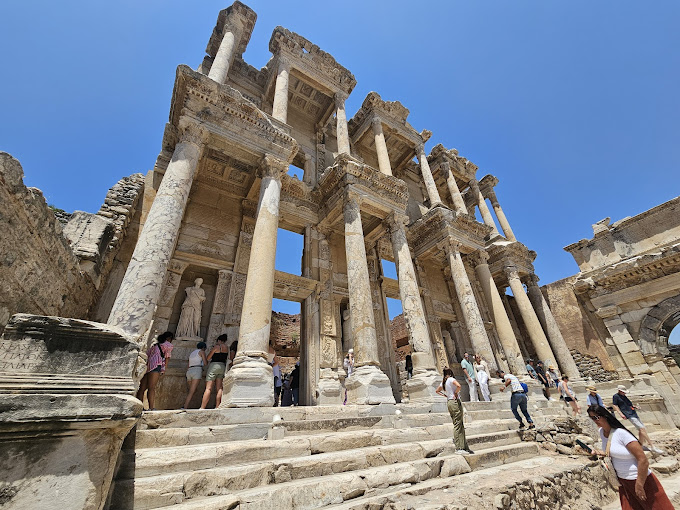
Ultimate Greece Travel Guide: How To Plan An Unforgettable Trip
Greece travel is one of those rare experiences that actually looks and feels like the pictures: blinding white villages, impossible blue seas, ancient stones glowing in the late sun, and food that somehow tastes better than anything back home.
We’ve spent years exploring Greece, from island-hopping in the Cyclades and Ionian Sea to road‑tripping through the Peloponnese, Meteora, and hidden mountain villages. In this Greece travel guide, we’ve pulled together what we’d tell close friends planning their first (or third) trip: where to go, when to visit, which Greece tours are worth it, and how to build a realistic itinerary.
Whether you want escorted Greece tours, private Greece tours for couples, cheap tours in Greece, or full Greece vacation packages, this guide will help you choose the best option for your style and budget, and avoid the classic mistakes that waste time and money.
Why Visit Greece: What Makes It So Special
There’s a reason Greece holidays steal people’s hearts. When we talk with travelers after their trip, they rarely rave about just one thing, it’s always the combination:
- History you can literally walk through – In a single day you can stand on the Acropolis in Athens, wander a Byzantine castle in Mystras, and sleep in a stone tower house in the Mani. Greece historical tours and archaeological sites tours are some of the richest in Europe.
- Islands for every style – From party‑all‑night Mykonos to peaceful Milos and family‑friendly Naxos, the best Greece island hopping tours feel like visiting different countries in one trip.
- Warm, proud hospitality – We say philoxenia in Greek: love of strangers. You feel it when a taverna owner insists you try a dessert “on the house” or when a ferry worker helps you figure out your island transfer.
- Serious food & wine – Greece food & wine tours are having a moment for a reason: olive oil tastings in Messinia, volcanic wines in Santorini, seafood feasts in Lefkada, and slow‑cooked lamb in mountainous Arcadia.
- Easy, safe, and surprisingly flexible – Greece travel works for solo travelers, couples, groups of friends, and multi‑generational families. Public transport, organized Greece guided tours, and private drivers all mesh together.
Most of all, Greece is special because it still feels lived in. We’re not a theme park for tourists. You’ll see school kids walking past 2,000‑year‑old temples, farmers bringing in olives while you drive to the beach, and yiayiás (grandmothers) gossiping in village squares. That mix of real daily life and world‑class sights makes Greece travel unforgettable.
Best Time To Visit Greece
You can visit Greece year‑round, but the experience changes a lot by season. When you plan tours in Greece, timing matters for weather, crowds, and prices.
Late April–May (Spring)
Our personal favorite time for Greece travel:
- Mild temperatures, usually 18–25°C (64–77°F)
- Wildflowers in the countryside and on islands like Corfu and Crete
- Fewer crowds at major Greece archaeological sites
- Better availability and cheaper Greece tours deals and hotels
Many ferries and island hotels are already running, but it’s not yet packed.
June–early September (Peak Summer)
This is when most visitors book Greece tours and Greece vacation packages:
- Hot, dry, and sunny – 28–35°C (82–95°F) common
- Best for swimming, sailing, and Greece combo tours (city + islands)
- Long days and lively nightlife on islands like Mykonos, Paros, Skiathos
- Higher prices and more crowds, especially July–August
If you want GREECE luxury tours with the full glamorous island vibe, this is it – just book early.
Mid‑September–October (Fall)
Perfect for Greece guided tours that focus on history, culture, and food:
- Sea is still warm
- Softer light for photography and sightseeing
- Grape and olive harvests for authentic Greece food & wine tours
- More space on ferries and at famous sights like Acropolis and Meteora
November–March (Winter)
Low season for islands, but not a bad time to visit Greece at all:
- Athens, Thessaloniki, and major archaeological sites are open and quiet
- Mountain areas (Pelion, Zagori, Arcadia) can be magical with fireplaces and even snow
- Many island hotels and beach clubs close, and ferry schedules thin out
If your dream is island‑hopping, we usually recommend late April–October. For cheaper tours Greece‑wide and a more local feel, think April–May or late September–October.
Top Places To Visit In Greece
You could spend a lifetime exploring Greece, but fora first or second trip, these are the places we find ourselves recommending again and again when people ask for the best tours in Greece.
Island-Hopping Highlights
When we talk about Greece sightseeing tours on the islands, a few names come up constantly:
- Santorini – Iconic for a reason. Caldera views, volcano boat tours, and romantic cave hotels. Great for GREECE luxury tours and private Greece tours for couples.
- Mykonos – Windmills, nightlife, and gorgeous beaches. Combine with nearby Delos Island for one of the best Greece archaeological sites tours.
- Milos – Our home turf and absolute favorite. Lunar landscapes at Sarakiniko, turquoise water at Kleftiko (we’ve been there more times than we can count), and a relaxed vibe.
- Naxos & Paros – Fantastic for family friendly Greece tours: sandy beaches, watersports, and charming villages without the extreme prices of Santorini/Mykonos.
- Corfu & Ionian Islands – Lush, green, and influenced by Venetian architecture. Ideal for sailing and Greece combo tours that mix culture and beaches.
Mainland Must-Sees
Mainland Greece is where you feel the depth of history and landscape diversity:
- Athens – Non‑negotiable for first‑timers. The Acropolis, Acropolis Museum, Plaka, and vibrant neighborhoods like Psirri and Koukaki. Plenty of Greece guided tours start here.
- Meteora – Monasteries balanced on rock pillars. A dream for photographers and a great base for walking or soft‑adventure tours in Greece.
- Peloponnese (Mystras, Messinia, Mani, Nafplio) – Our go‑to recommendation when people want fewer crowds. Byzantine Mystras, castles in Messinia, tower houses in Mani, and seaside Nafplio make it ideal for Greece historical tours and road trips.
- Crete – Almost its own country. Knossos Palace, stunning gorges like Samaria, and beaches such as Balos and Elafonisi. You could spend 10 days here alone.
If you’re short on time, pair Athens with either one island (for a 1‑week trip) or a Peloponnese loop (for a culture‑heavy itinerary). We’ll show concrete itineraries below.
Greek Islands: How To Choose Where To Go
With over 200 inhabited islands, choosing where to go can feel overwhelming. When we design Greece private tours or help friends book Greece tours, we usually start with 3 questions: What’s your vibe, how long do you have, and how do you feel about ferries?
For first‑timers who want the “postcard” experience
- Cyclades (Santorini, Mykonos, Paros, Naxos, Milos)
Pros: Classic white‑and‑blue look, great ferry connections, wide choice of Greece tours and Greece combo tours.
Cons: Busy and pricier in July–August.
For couples seeking quiet and romance
- Consider Milos, Folegandros, Sifnos, Amorgos.
These are perfect for private Greece tours for couples and boutique hotels with sea views.
For families
- Naxos, Paros, Rhodes, Corfu, Skiathos offer sandy beaches, shallow waters, and lots of activities. Family friendly Greece tours here often include boat trips, small archaeological sites, and farm visits.
For culture and nature
- Crete combines major archaeological sites (Knossos, Phaistos) with gorges, mountains, and villages.
- The Dodecanese (Rhodes, Symi, Patmos) blend Crusader castles, monasteries, and beaches.
For sailing and off‑the‑beaten‑path
- The Ionian Sea (Lefkada, Kefalonia, Ithaca) is ideal. We’ve done island hopping here many summers – calm waters, hidden coves, and fewer cruise crowds.
If you only have a week, resist the urge to cram in too many stops. Two islands + Athens is usually the sweet spot. With 10–14 days, 3–4 islands work well if they’re in the same group (for example, Athens – Naxos – Paros – Santorini).
Sample Itineraries For One To Two Weeks In Greece
Use these as a starting point. You can travel independently, book Greece sightseeing tours on the ground, or turn them into fully escorted Greece tours with a local operator.
Classic Highlights: Athens And One Island (7 Days)
Best for: First‑timers, short Greece holidays, couples or friends.
Day 1–3: Athens
- Acropolis and Acropolis Museum (join a small‑group Greece guided tour to skip lines and get context).
- Wander Plaka, Monastiraki, and Psirri: enjoy a sunset drink with Acropolis views.
- Half‑day trip to Cape Sounion and the Temple of Poseidon or a food tour through central markets.
Day 4–7: Santorini or Naxos
- If you want dramatic views and GREECE luxury tours, choose Santorini: caldera cruise, wine tasting, and the village of Oia.
- If you prefer space and beaches, pick Naxos: long sandy beaches, small villages, and more affordable hotels (great for cheap tours Greece options).
Return to Athens by ferry or short flight.
Island-Hopping Adventure (10–12 Days)
Best for: Travelers wanting the best Greece island hopping tours with variety.
Day 1–2: Athens – Arrive, recover from jet lag, see the major sites.
Day 3–5: Paros
- Base in Naoussa or Parikia.
- Take a boat trip to Antiparos, explore inland villages like Lefkes, and enjoy beach time.
Day 6–8: Naxos
- Visit the Portara (Apollo Temple), drive to Apeiranthos village, and try local cheeses and citrus liqueur.
- Optional: short Greece combo tours including cooking classes or hiking.
Day 9–11: Santorini
- Volcano and hot springs cruise, Akrotiri archaeological site, and a sunset wine tour.
Fly back to Athens from Santorini.
History And Nature On The Mainland (10 Days)
Best for: Culture fans, photographers, and anyone who wants to go beyond the islands.
Day 1–3: Athens – As above.
Day 4–5: Nafplio & Mycenae (Peloponnese)
- Drive or join escorted Greece tours to Nafplio, one of Greece’s prettiest towns.
- Visit Mycenae and Epidaurus: wander Nafplio’s old streets and climb Palamidi Fortress.
Day 6–7: Sparta & Mystras / Mani
- Explore Byzantine Mystras, a highlight of Greece historical tours.
- Continue to Mani peninsula: stone tower houses, wild landscapes, and hidden coves.
Day 8–9: Olympia or Delphi
- Choose one major archaeological site: Ancient Olympia (Peloponnese) or Delphi (central Greece).
Day 10: Return to Athens
Wrap up with shopping, a food & wine tour, or a final museum.
This route works well with private tours Greece‑wide or self‑drive. We often mix short local Greece guided tours at specific sites with independent driving days.
Choosing The Right Type Of Greece Tour
There’s no single “best” way to explore Greece. We often help travelers decide between escorted Greece tours, private tours, or fully independent travel. Here’s how the main options compare.
Escorted And Guided Greece Tours
What they are: Pre‑planned group trips with a fixed itinerary, a tour leader, and local guides at key sites.
Best for: First‑timers who want stress‑free Greece travel, older travelers, and anyone who likes meeting people.
Pros:
- Logistics (ferries, hotels, transfers) handled for you
- Priority access at popular sights
- Clear pricing – easy to compare Greece tours deals
Cons:
- Less flexibility with timing and free days
- Group size and pace may not suit everyone
Look for small‑group options (12–18 people) for a better balance of structure and freedom.
Private And Luxury Greece Tours
What they are: Custom itineraries just for you (and your partner, family, or friends), often with private drivers and guides.
Best for: Honeymoons, anniversaries, families with kids, and travelers who value comfort and time over cost.
Pros:
- Itinerary tailored exactly to your interests and pace
- Access to boutique hotels, villas, and unique experiences
- Ideal for private Greece tours for couples and GREECE luxury tours
Cons:
- Higher cost, especially in peak season
We often recommend a hybrid approach: a few days of private guiding in Athens and at key sites, then more relaxed independent island days.
Family-Friendly, Food, And Wine Tours
- Family friendly Greece tours focus on shorter activities, beach time, interactive museum visits, and hands‑on experiences like farm visits or cooking classes.
- Greece food & wine tours can be day‑trips (Athens food walks, Santorini wine tasting) or multi‑day itineraries through Crete, Nemea, or Messinia.
These can be tacked onto classic Greece sightseeing tours or turned into the core theme of your trip.
Walking, Sailing, And Special-Interest Tours
If you like to build your Greece travel around a passion, consider:
- Walking/hiking tours – Samaria Gorge in Crete, Vikos Gorge in Zagori, and trails in Andros or Naxos.
- Sailing tours – From day‑sailing around Milos, Lefkada, or Corfu to week‑long island‑hopping yacht trips.
- Photography, yoga, or history deep‑dives – Often small‑group, these can be some of the best tours in Greece for repeat visitors.
Think about how structured you want your days to be and how comfortable you are handling logistics on your own. That will guide whether you book Greece tours as packages or piece things together.
Practical Travel Tips For Greece
Practical Travel Tips For Greece
A bit of preparation makes Greece travel smoother so you can focus on views, food, and sunsets.
Visas, Entry Requirements, And Travel Insurance
- Visas: Greece is part of the Schengen Area. Many travelers (EU, US, Canada, Australia, UK, etc.) can visit visa‑free for short stays, but always check current rules before you book Greece tours.
- Passport validity: Usually needs to be valid for at least 3–6 months beyond your planned departure, depending on your nationality.
- Travel insurance: Strongly recommended, especially if you’re booking Greece vacation packages or GREECE luxury tours with non‑refundable components. Look for coverage for medical care, trip interruption, and baggage.
Getting Around: Flights, Ferries, And Trains
- Internal flights: Useful for long distances (Athens–Santorini, Athens–Crete, Athens–Corfu), especially on shorter trips.
- Ferries: The classic way to explore Greece.
- High‑speed ferries are faster but pricier and sometimes bumpier.
- Conventional ferries are slower, cheaper, and often more comfortable.
- Trains: Limited network, but useful between Athens and Thessaloniki or to access Meteora (Kalambaka) with a change.
- Buses and car rentals: On the mainland and larger islands, KTEL buses and rental cars make independent Greece sightseeing tours easy.
Book ferries and flights early in July–August and when planning Greece combo tours involving multiple islands.
Where To Stay: Hotels, Villas, And Guesthouses
- Hotels: From simple pensions to 5‑star resorts. On popular islands, book 3–6 months ahead for summer.
- Villas and apartments: Great value for families and groups, especially on islands like Naxos, Paros, Corfu, and in the Peloponnese.
- Guesthouses and boutique stays: In villages and smaller islands, you’ll find charming guesthouses run by local families – often the most memorable option.
For Greece luxury tours, look for cave suites in Santorini, design hotels in Athens, and seaside boutique properties in places like Messinia or Mani.
Safety, Health, And Common Scams
Greece is generally very safe, even at night, but we still recommend:
- Watch your belongings in busy areas (Monastiraki, metro, ferries) – pickpocketing happens.
- Use licensed taxis or ride apps in cities: agree on the use of the meter.
- Avoid overly “helpful” strangers offering deep‑discounted Greece tours deals on the street. Book through reputable agencies or online.
- Tap water is safe in most cities and on many islands, but on some smaller islands we still prefer bottled water.
Pharmacies (farmakeio) are excellent and everywhere: staff are well trained and can help with common travel health issues.
Budgeting And Costs For Greece Travel
Greece can work as a budget destination or a high‑end escape. It depends where you go, when, and how you like to travel.
Daily Costs: What You Can Expect To Spend
Approximate daily budgets per person, excluding international flights:
- Budget (backpacker / cheap tours Greece style): €50–€80
- Hostel or simple room: €20–€40
- Street food / casual tavernas: €15–€25
- Ferries, buses, and occasional basic Greece sightseeing tours.
- Mid‑range: €90–€180
- Comfortable hotels or apartments: €60–€120 (shared)
- Good meals with wine: €25–€40
- Mix of ferries, a few domestic flights, and selected Greece guided tours.
- Luxury: €200+
- Boutique hotels, cave suites, or villas
- Fine dining, private transfers, and private Greece tours
- Ideal for honeymoons and special occasions.
Costs are higher in Santorini and Mykonos and lower on less‑famous islands or mainland towns.
Money-Saving Tips And Deals
- Travel shoulder season (May, June, late September, October) for better Greece tours deals and cheaper accommodation.
- Choose 1–2 “star” destinations (e.g., Santorini) and balance them with more affordable places like Naxos, Paros, or Peloponnese towns.
- Use ferries strategically – Sometimes a short flight plus a slower ferry combination is cheaper and faster than multiple high‑speed ferries.
- Book in advance for popular Greece combo tours and island‑hopping packages, but keep a day or two flexible for weather.
For families, apartments with kitchens can drastically cut food costs while still letting you enjoy taverna meals.
Tipping, Payments, And Currency Basics
- Currency: Euro (€).
- Cards vs cash: Cards are widely accepted, but small villages, kiosks, and some tavernas prefer cash.
- ATMs: Common in cities and larger islands: less so in remote villages, so withdraw ahead.
- Tipping:
- Restaurants: 5–10% is appreciated if there’s no service charge.
- Cafes/bars: Round up the bill or leave small coins.
- Guides and drivers: €5–€15 per person per day depending on service and tour type.
You don’t need to carry huge amounts of cash, but keeping some on hand makes small purchases and rural stops easier.
Culture, Etiquette, And Local Experiences
Getting a feel for Greek culture is what turns a good trip into a great one. A few basics will help you connect with locals and move beyond checklist sightseeing.
Greek Customs, Language Basics, And Dining Etiquette
- Greetings: A simple “Yasou” (hi) or “Kalimera” (good morning) goes a long way.
- Politeness: “Efharistó” (thank you) and “Parakaló” (please/you’re welcome) are always appreciated.
- Time: We’re generally relaxed about time, especially on islands. Tours and transport, but, do run on a schedule – don’t be late for ferries or Greece escorted tours.
Dining tips:
- We share dishes. When you order in a taverna, think family‑style: salads, dips, grilled meats or fish for the table.
- Bread and water often appear automatically: they may have a small charge.
- It’s normal to linger. No one will rush you out, even if you only ordered a coffee.
Responsible Tourism And Respecting Sacred Sites
Many Greece historical tours and Greece archaeological sites tours include churches, monasteries, and sacred spaces.
- Dress modestly at monasteries and some churches: covered shoulders, longer shorts or skirts. Some monasteries provide wraps.
- Stay on marked paths at archaeological sites – not just for preservation, but for your safety.
- Don’t take “souvenirs” like stones, pottery fragments, or plants. It’s illegal and damages fragile environments.
Support local economies by choosing family‑run accommodations, eating at small tavernas, and buying regional products (olive oil, honey, ceramics, textiles).
Can’t-Miss Local Foods, Drinks, And Festivals
Greece food & wine tours are one of the best ways to understand the culture. Some must‑tries:
- Local specialties by region:
- Crete: dakos, snails, Cretan cheeses, raki.
- Cyclades: fava (Santorini), tomato fritters, fresh seafood.
- Peloponnese (Messinia, Mani): olives, olive oil, cured meats.
- Ionian Islands (Corfu, Lefkada): sofrito, pastitsada, kumquat liqueur.
- Wines: Assyrtiko (especially from Santorini), Xinomavro, Agiorgitiko, and local house wines in carafes.
If you can, time your Greece travel to hit a local festival (panigiri):
- Village squares fill with live music, food, and dancing.
- You don’t need a ticket – just show up, buy food or drink, and enjoy.
- Ask your host or local guide what’s happening while you’re there.
Joining these local events – even for an hour – often becomes the most memorable part of a trip, more than any postcard view.
Conclusion
Conclusion
Greece travel can be as simple as a long weekend in Athens or as ambitious as a month‑long island‑hopping and road‑trip adventure. The key is matching your route, budget, and style of travel with what Greece does best for you.
Start by deciding when to visit, then choose 2–4 key areas (Athens, 1–3 islands, maybe a mainland loop). From there, layer in the right mix of Greece guided tours, private experiences, and free time. Whether you’re drawn to quiet coves in Milos, monasteries in Meteora, or the ruins of Knossos and Mystras, there’s a version of Greece that will feel like it was designed just for you.
If we can give you one final tip: don’t over‑schedule. Leave space to get lost in a village, linger at a taverna, or say yes when a local says, “Come, let me show you something.” That’s when Greece stops being a destination and starts feeling like a place you’ll always want to come back to.
Key Takeaways
- Plan your Greece travel around seasons: visit in spring or fall for mild weather, lighter crowds, and better value on Greece tours and hotels.
- For a first trip, combine Athens with one or two nearby islands like Santorini, Naxos, or Paros instead of cramming in too many stops.
- Choose islands based on your travel style—Cyclades for postcard views, Ionian for sailing and green landscapes, Crete and Dodecanese for culture and nature combos.
- Decide early whether you prefer escorted group tours, flexible private Greece tours, or mostly independent travel, and use a hybrid approach to balance ease and freedom.
- Budget smart by mixing one “star” destination (like Santorini or Mykonos) with more affordable islands or mainland areas, and book key ferries, flights, and popular Greece travel experiences in advance.
Frequently Asked Questions About Greece Travel
What is the best time to visit Greece for fewer crowds and good weather?
For relaxed Greece travel with pleasant weather and smaller crowds, late April–May and mid‑September–October are ideal. You’ll get mild temperatures, wildflowers or harvest season, warm seas, better availability, and more reasonable prices on hotels and Greece tours compared with the peak summer months of July and August.
How many places should I include in a 7–14 day Greece itinerary?
In one week, focus on Athens plus one island or a Peloponnese loop. For 10–14 days, plan Athens plus 2–4 stops in the same region or island group to minimize transit. For example, Athens–Paros–Naxos–Santorini works smoothly and keeps your Greece travel realistic instead of rushed.
What types of Greece tours are available and who are they best for?
You can choose from escorted group Greece tours, private and luxury itineraries, family‑focused trips, food and wine tours, walking and sailing holidays, or special‑interest options like photography. Group tours suit first‑timers and social travelers; private tours work best for couples, families, and anyone wanting flexibility and comfort over lower cost.
How much does Greece travel cost per day on average?
Typical daily budgets (excluding flights) range from about €50–€80 for backpackers using hostels and cheap tours in Greece, €90–€180 for mid‑range travelers mixing ferries, nice hotels, and a few Greece guided tours, and €200+ for Greece luxury tours with boutique stays, fine dining, and private drivers or boats.
Are Greece vacation packages and all‑inclusive tours worth it?
Greece vacation packages can be worth it if you want simple, upfront pricing and help with ferries, transfers, and hotels. They’re especially useful in peak season or for complex island‑hopping. Independent travelers may save money by booking pieces separately, but packages reduce planning stress and last‑minute logistics issues.
Do I need to rent a car for my trip to Greece?
Car rental isn’t essential for Greece travel, but it changes what you can see. In Athens and major islands with good buses, you can rely on public transport and organized Greece sightseeing tours. For exploring the Peloponnese, Crete, and mountain villages at your own pace, a car or private driver is highly recommended.